The best resource for both new and advanced planted aquarists based on good, sound advice and methods for all aspects of horticulture and aquascaping.
— TOM BARRrenowned researcher; plant science expert
Full of great information that clears up much of the confusion...in today’s world of conflicting advice. Based on science and experience you can use... to improve your own hobby considerably. Highly recommended!
Look no further if you want accurate info, that is also practical to improve the health of your plants and aquascaping techniques. This site covers it all for beginners and experienced aquarists.
I've happily been sending aquarists to this site for years. It is concise and easy to understand for beginners and experienced aquarists alike. A wonderful resource to have!
Beautiful, simple to use and absolutely filled with useful information. It is one of the most useful, accurate online resources for planted tanks that I know of!
— KAREN RANDALLinternational aquatic expert and speaker
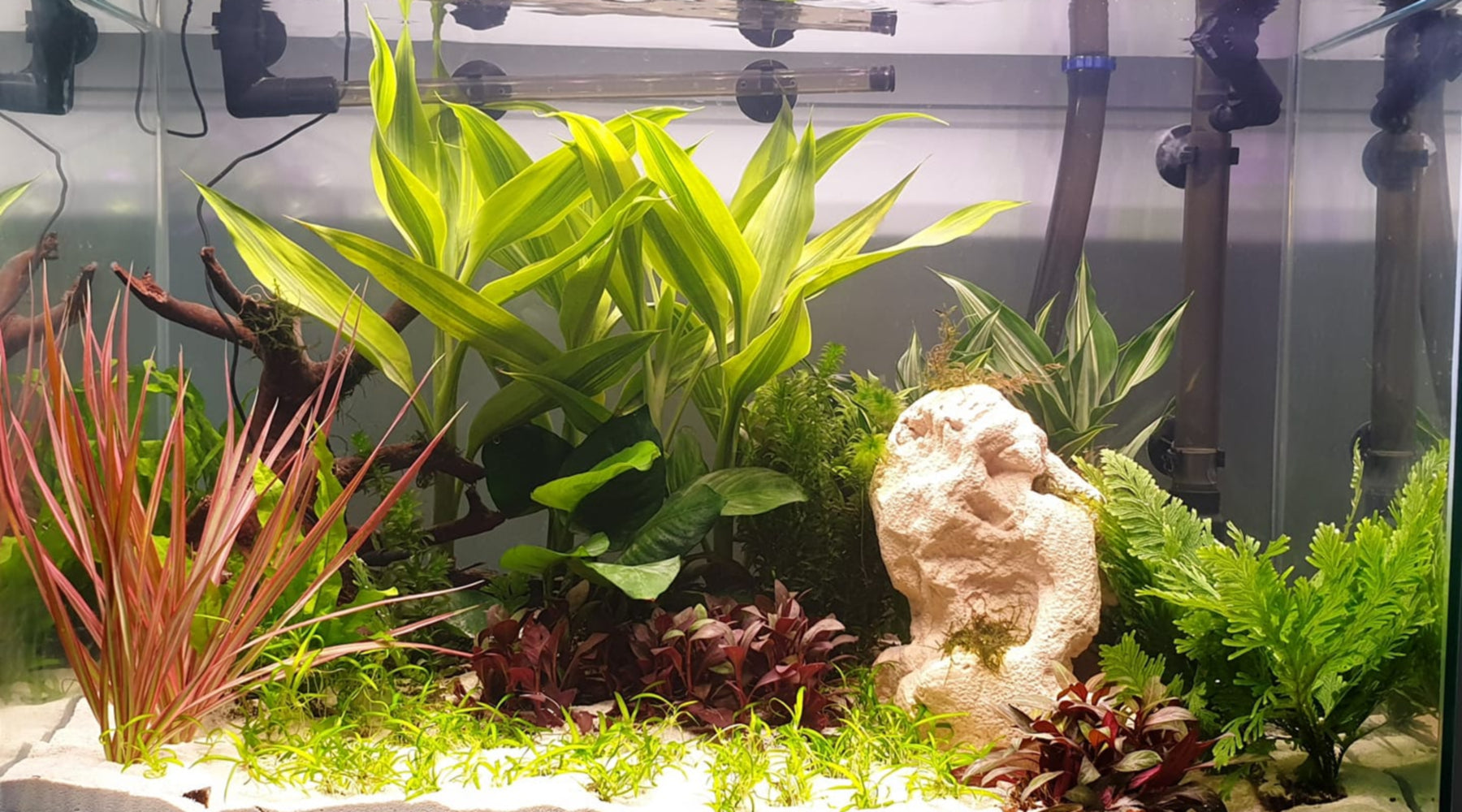
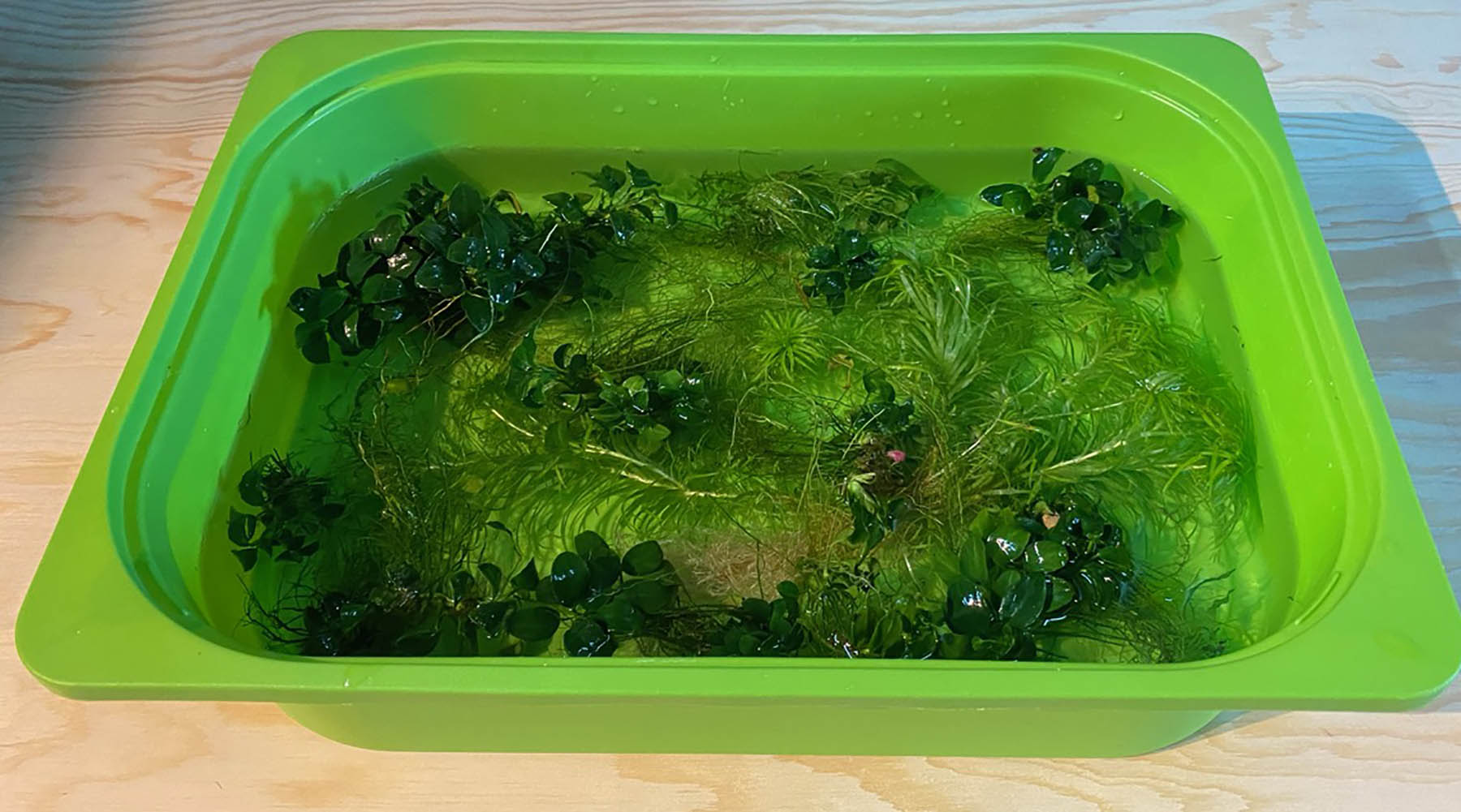
Some of the most attractive plants on shop shelves are not aquatic at all. They persist for weeks, then rot and feed algae. This guide identifies the common non-aquatic species sold as aquarium plants, shows how genuine aquatics shift form above and below water, and lists what to check before buying..
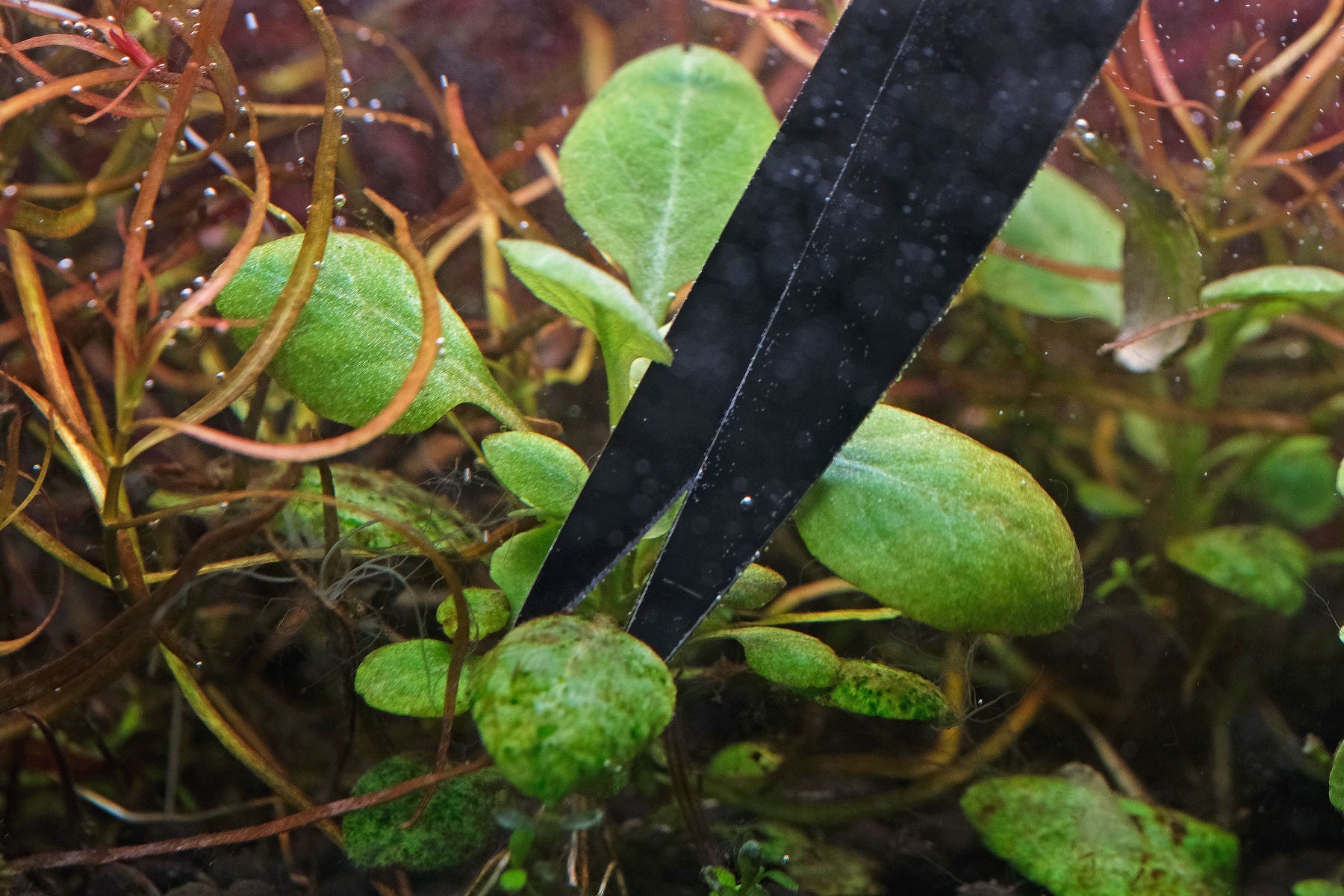
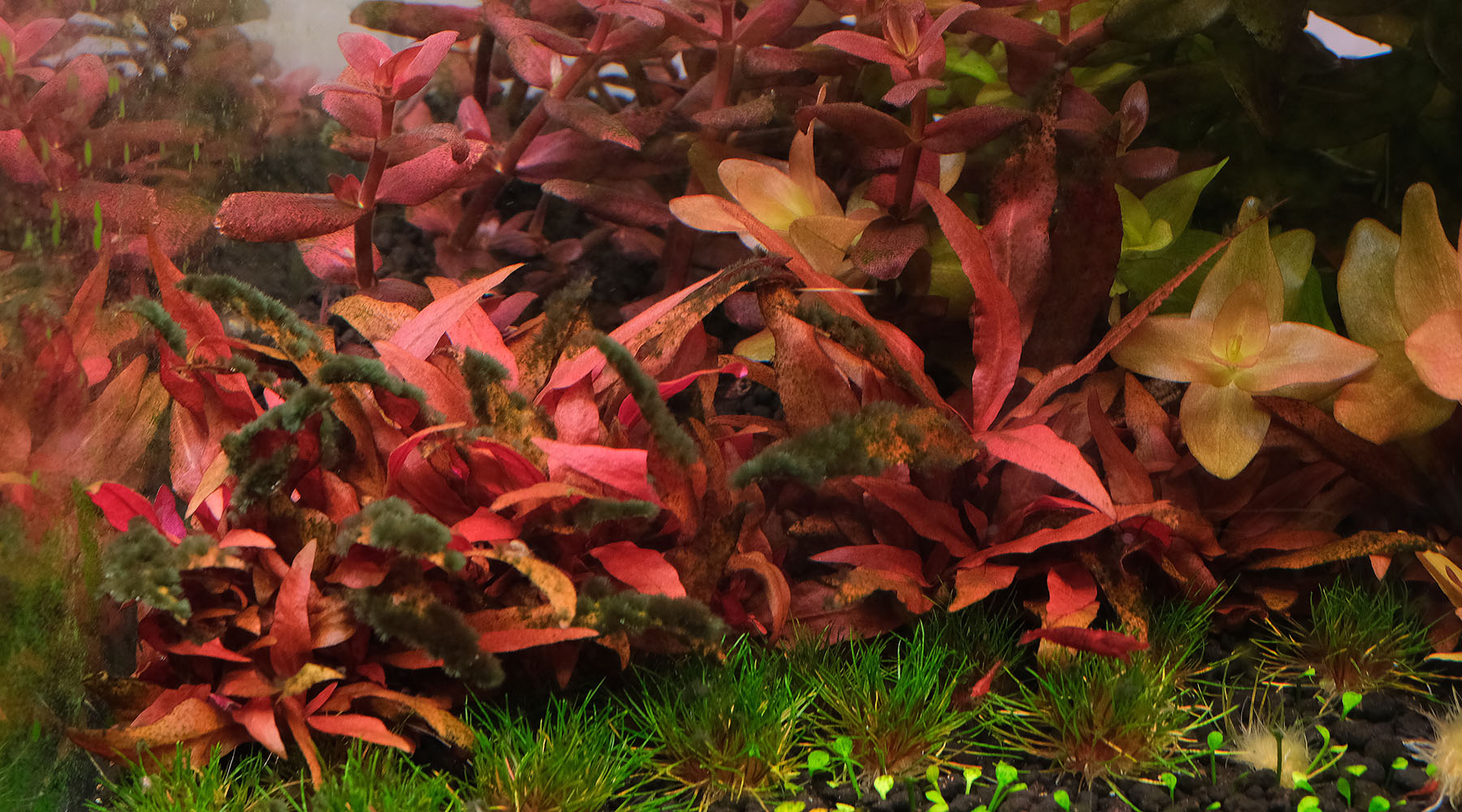
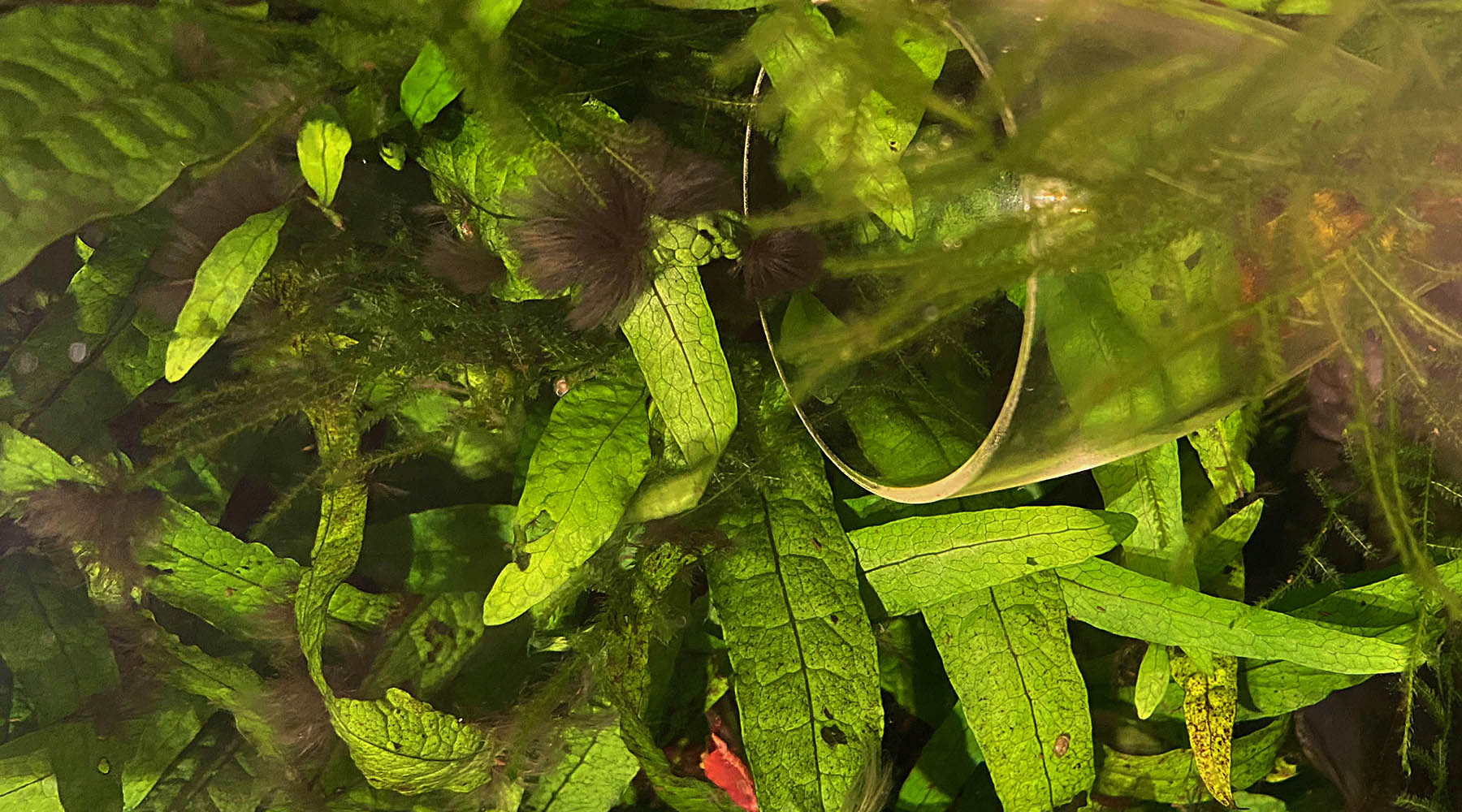
New tanks can be frustrating at the beginning. Here, we describe one important signal that things are actually progressing well, despite plants having algae.
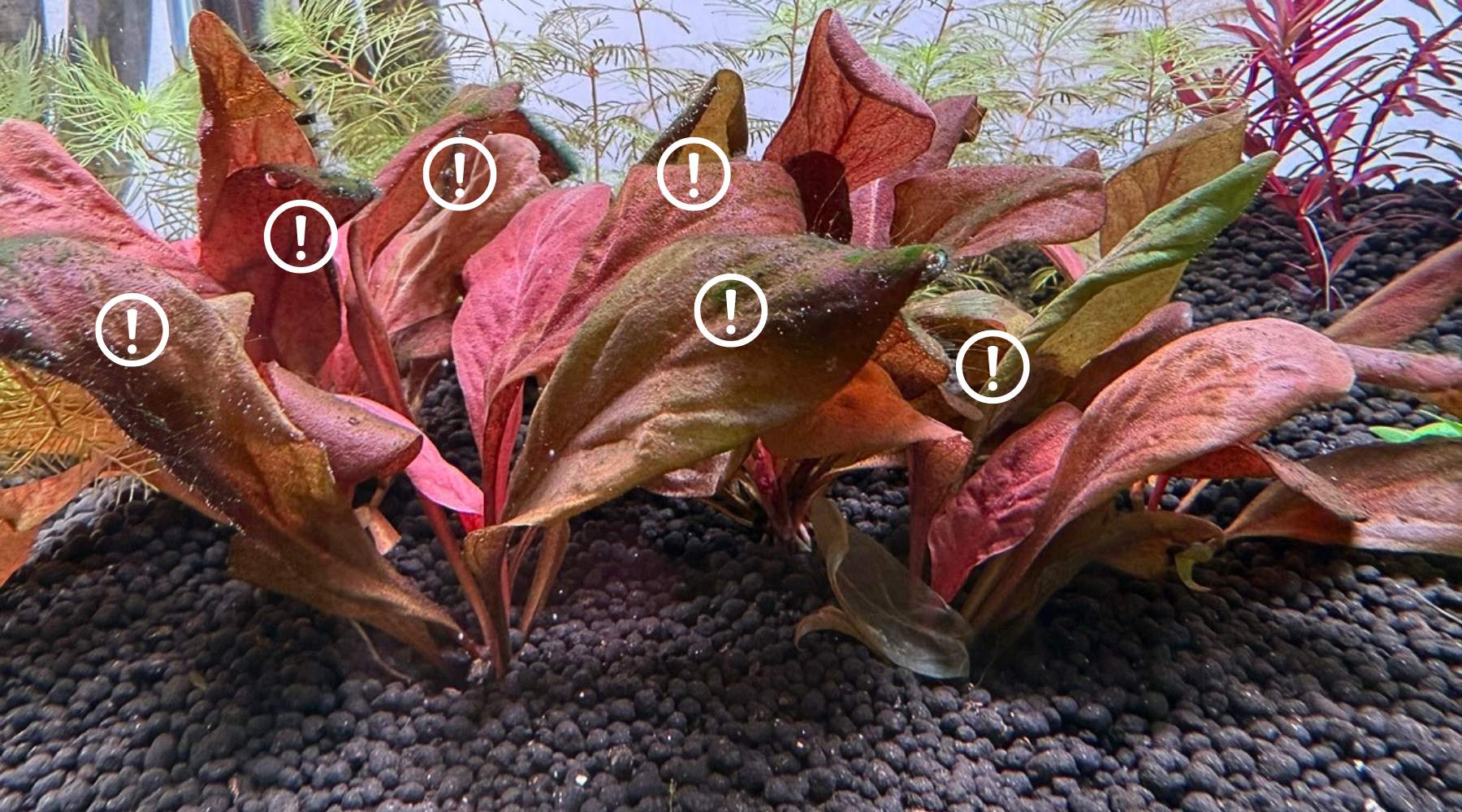
Sudden widespread algae infestation can take place when changes in environmental parameters induce adaptation stress that weakens plants which become vulnerable to algae.
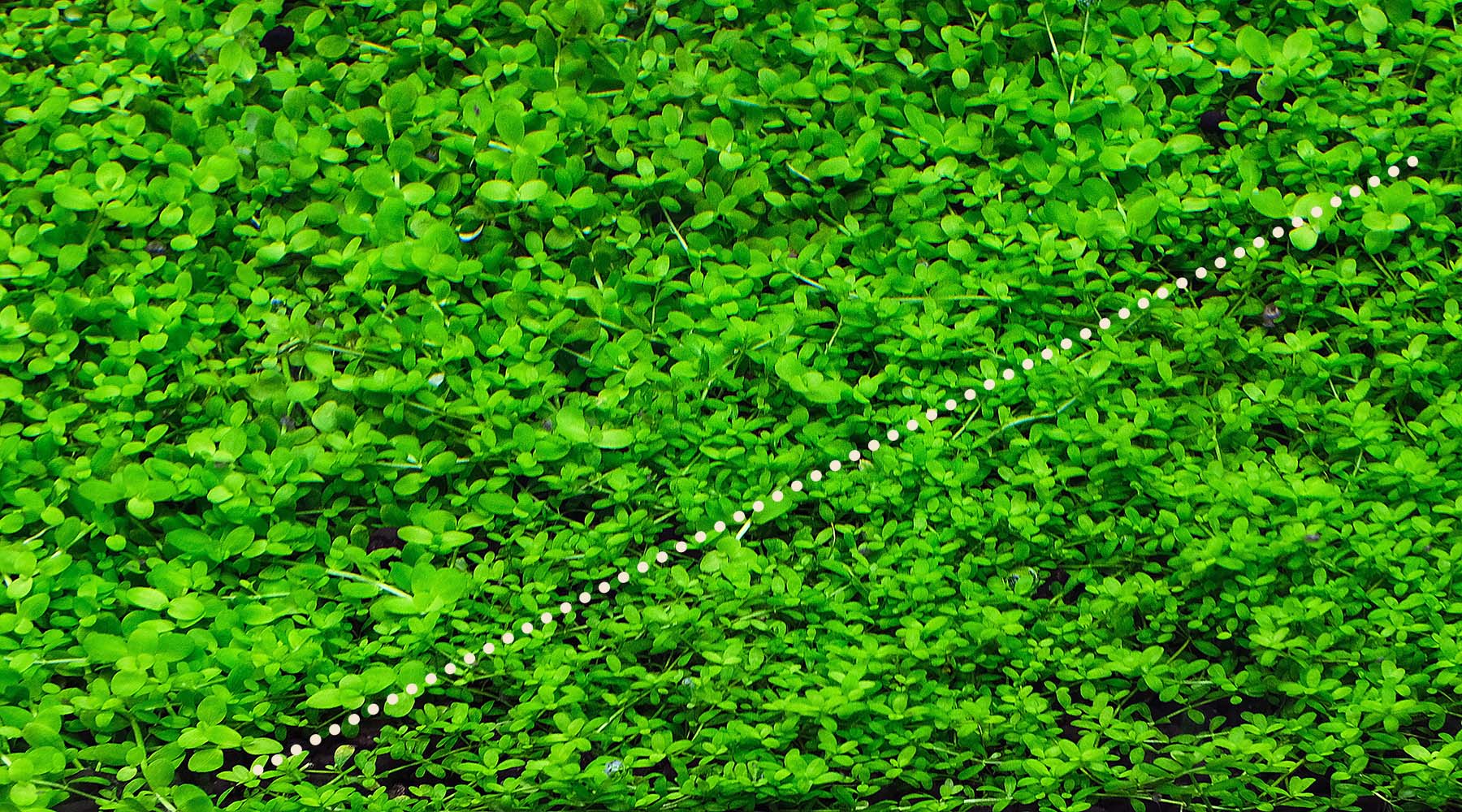
HC refers to Hemianthus callitrichoides 'Cuba', sometimes called Dwarf Baby Tears. MC refers to Micranthemum 'Monte Carlo'. Both are common and popular. However, although they look similar, they are very different.